I'm slowly getting to the end of a build of a 1:25 papermodel Mark IV Female (and yes - it's a big model - 315mm long). The build is based on a 2005 model by Modelik of a Mark IV male.
I was thinking about my next project and thought - "I've figured out how to build a Mark IV Female, I found plans of a supply sledge, so how about a top tower with sledges?"
Then I realised that I have no idea what the block in front of the storage frame on the Mark IV Females where the tow cables were attached actually looked like. Can anyone help with an image, sketch or informed opinion?
Engaged brain when I noticed that Yandex was finding Landships forum pages. With a restrictive search query found the original sledge model build by Topoff -
https://landships.activeboard.com/t61251772/british-ww1-supply-sledges. Now my question is how realistic is Topoff's take on the towing block?
Charlie
-- Edited by CharlieC on Thursday 2nd of July 2026 02:52:14 AM
It may be an Apple thing or the chronically crappy Internet in Australia but more images are now visible in my browser in the thread I quoted. Topoff's towing block looks like a fair representation although there seems to have been a lot of variation in the original design of the blocks.
Looking back at that build I think Topoff has cracked it.
I'm not sure what purpose the long rods going to the sides of the cab served. There was no steering control and apparently no quick release. But they were clearly there.
Think a bit more carefully about what supplies would be carried forward into action. The Top Towers at Cambrai were intended to directly support their parent Battalions in a firefight. There would be no rum jars, as rum was kept under strict officer control. There would likely be more fuel. Topoff's few cans are barely a third of a tankful. Even if they are water, there would likely be more. Ammunition came in specific box types. There would be some rations. Probably tools for unditching.
I think the rods stabilised the towing block so the load from tow cables didn't topple the block and bend the roof plates. The pistol ports on the driver's cab were probably the closest vertical surface that the rods could be connected to.
Thinking about sledge loads opens up the question of the logistics of supporting tank operations. Moving fuel around in 4 gallon tins seems very inefficient but I've never seen images of bulk fuel tanks. The ammunition for the 6 Pounder guns probably were in boxes but what about the MGs? Was the ammunition supplied made up as belts (Vickers/Hotchkiss) or drums (Lewis)
Charlie
-- Edited by CharlieC on Monday 3rd of August 2026 11:01:42 PM
There were some bulk tanker lorries around by the end of the war but I am uncertain if they were for fuel or for water (or for the 75cl of wine per man per day.....). But lorries are no use for resupplying tanks until after Amiens when warfare becomes more mobile and paved or graded roads are available. By which time the heavy tanks are increasingly being left behind.
There are photos of refuelling operations with the ground littered with 2-gallon cans. 30-odd to fill a Mk IV or V tank.
Let's not forget that fuel in cans was still the primary method of tactical refuelling all through WW2, although the size had grown to 20 litres or 5 gallons. You still needed 24 of those to fully fuel an empty Centurion after WW2........ The use of fuel in cans still persists today, notwithstanding the arrival of tactical bulk refuellers. Which are valuable assets to risk, tempting targets if identified and spectacular conflagrations if hit. British 15cwt and 3-ton tankers were disguised as normal lorries in WW2.
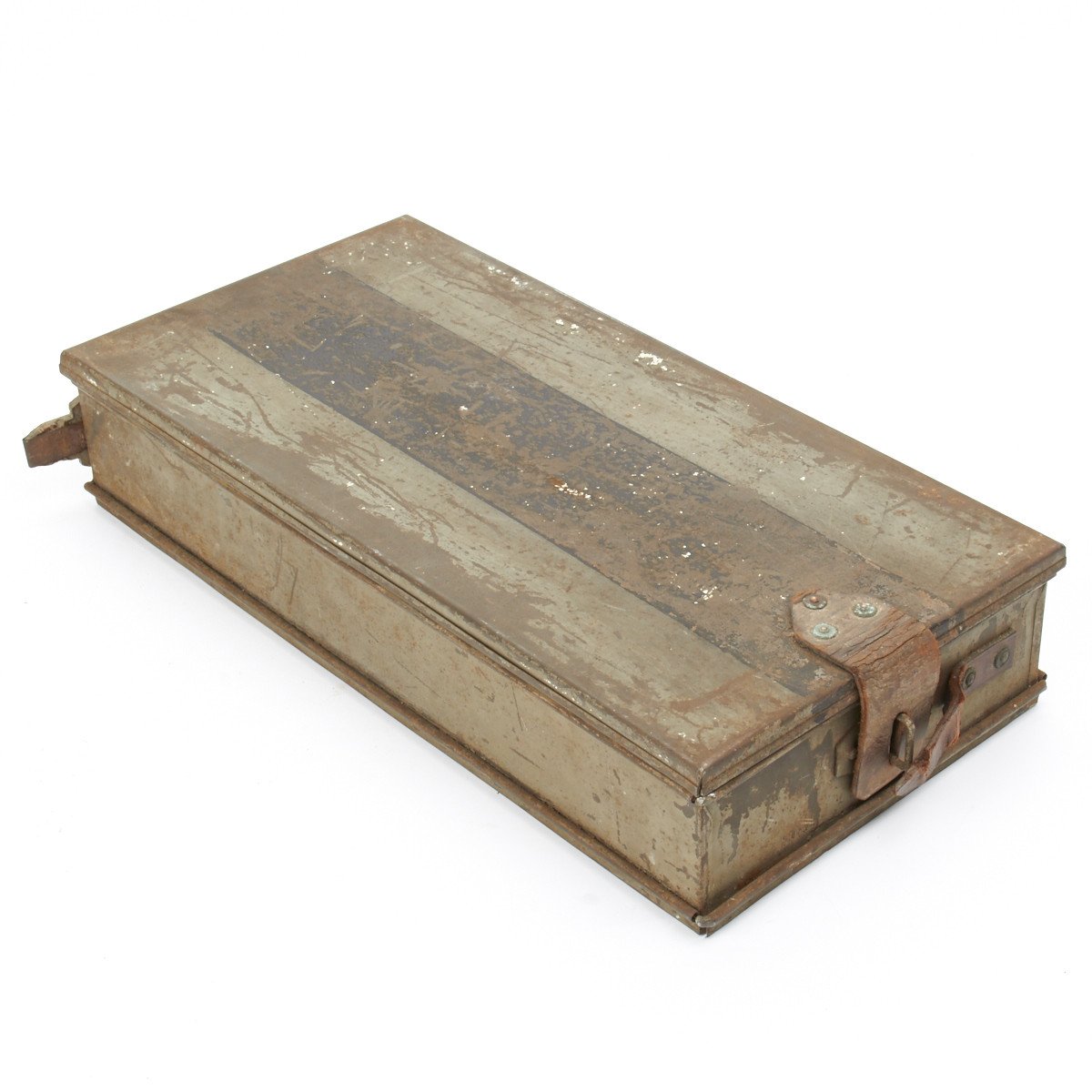
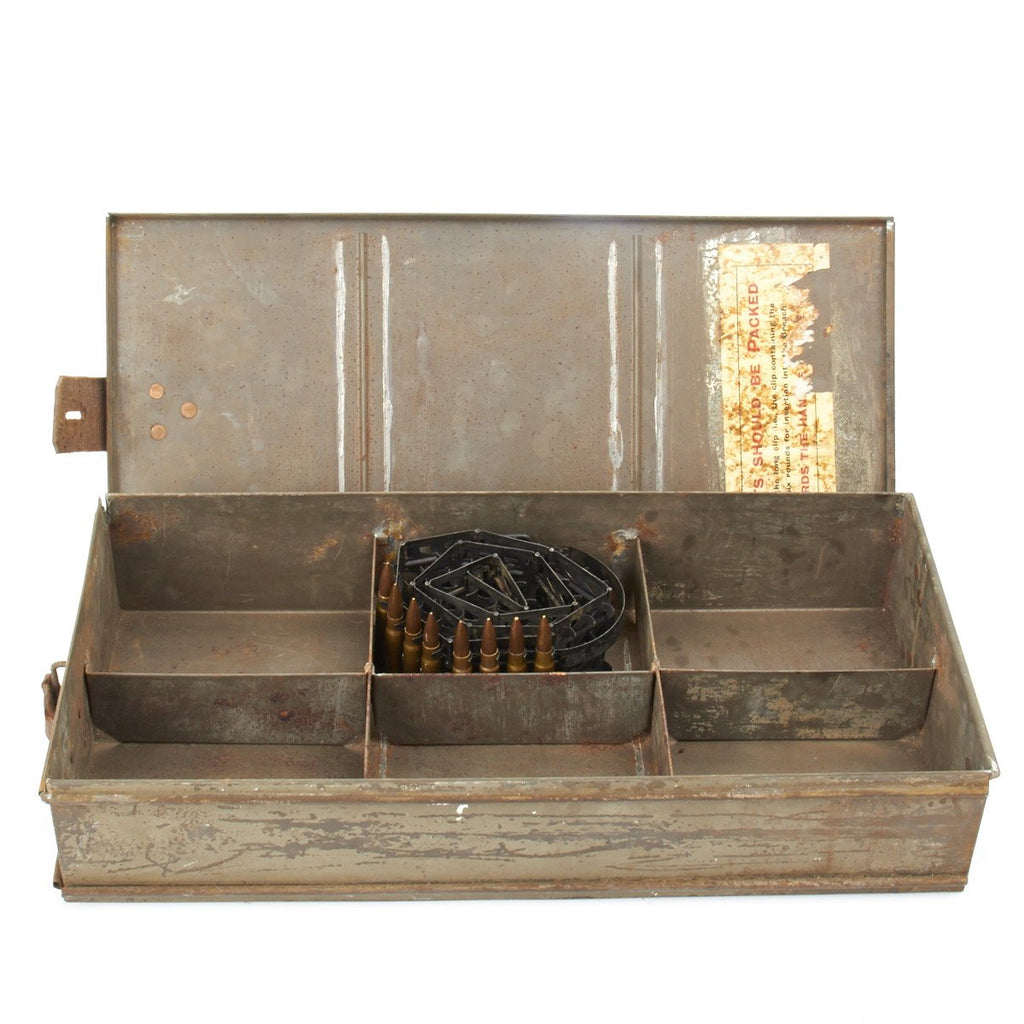
Lewis gun magazines came in special steel boxes holding 4 mags. Hotchkiss flexible strips came in flat metal boxes each holding 6 strips. Vickers MGs on tanks had long gone by the time the sledges were around.
Thanks - it clarifies what was likely to be on the sledges. It may take me a while to get back to the sledges project - I seem to have been sucked into building 1:25 papermodel rhomboid tanks at the moment.